
OOP course introduction
Understanding Objects:
In Object Oriented Programming, everything starts with objects. Objects store data and perform actions. For example, a car object has color and speed. Moreover, objects help organize code clearly. So, learning objects is the first step in OOP.
Classes Make Coding Easy:
Classes are like blueprints for objects. They define what an object can do and have. For instance, a Car class can create many cars. Also, classes save time and reduce errors. Thus, understanding classes helps you code faster.
Inheritance Simplifies Programs:
Inheritance lets one class use another class’s code. It avoids repetition and keeps programs short. For example, a Bike class can inherit a Vehicle class. Furthermore, it makes changes easier in the future. Therefore, inheritance is a key OOP concept.
Why Learn OOP?
Organize Code Easily:
OOP helps you keep code clean and structured. Moreover, it groups data and actions in one place. You can manage big projects without confusion. It reduces errors and saves development time. So, learning OOP makes coding easier for everyone.
Reuse Code with Classes:
Classes let you create objects again and again. For example, you can use one class for many objects. Also, reusing code reduces mistakes and effort. It speeds up programming and improves efficiency. Thus, OOP saves time and keeps code simple.
Solve Problems Efficiently:
OOP helps break problems into smaller parts. You can fix issues in one object without breaking all. Furthermore, inheritance and polymorphism simplify tasks. It makes programs flexible and easy to update. Therefore, OOP improves problem-solving skills fast & offer freelancing.
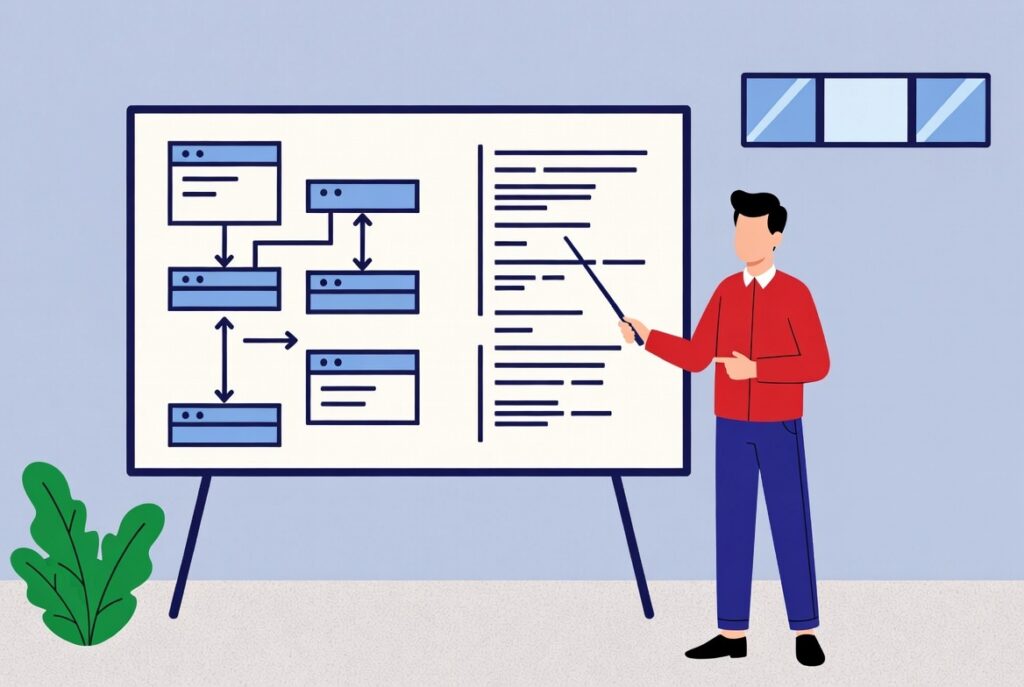
How to Learn OOP?
Start with Objects and Classes:
First, learn what objects and classes are. Create small objects like car, bike, or student. Moreover, practice adding data and actions to them. Short projects help you understand concepts quickly. So, start simple and grow step by step.
Practice with Real Projects:
Build mini projects like a library or bank system. Also, try to use multiple objects together. It helps you see how OOP works in real life. Debugging projects strengthens your coding skills. Thus, hands-on practice is key to learning OOP.
Explore Advanced Concepts:
Next, learn inheritance, polymorphism, and encapsulation. Use them to make programs shorter and smarter. Moreover, study abstraction to hide complex details. Online courses and tutorials help you learn faster. Finally, keep practicing to master OOP fully.