
TypeScript course introduction
Why Learn TypeScript:
TypeScript is a strong version of JavaScript. It helps catch errors before running code. Also, it makes big projects easier to manage. Moreover, developers write code faster and safer. So, learning TypeScript improves your coding skills.
TypeScript Features:
First, TypeScript has types for variables and functions. This means fewer mistakes while coding. Next, it supports modern JavaScript features. Additionally, it works with frameworks like Angular and React.
How TypeScript Helps Developers:
TypeScript gives clear error messages while coding. Also, it improves teamwork on bigger projects. Moreover, code becomes easy to read and maintain. It runs anywhere JavaScript runs, so no limits.
Why We Learn TypeScript?
Avoid Errors Easily:
TypeScript checks mistakes before running code. Also, it highlights problems while coding. This saves time and frustration. Moreover, beginners and experts both benefit. So, your code becomes clean and safe.
Improve Coding Skills:
First, TypeScript teaches types and structure. Next, it helps write clear and organized code. Also, you understand JavaScript better while learning. Additionally, projects become easier to manage. Therefore, your coding grows faster and smarter.
Boost Career Opportunities:
TypeScript is popular in big companies. Also, it works with React, Angular, and Node.js. Moreover, many jobs require TypeScript knowledge. Learning it increases your freelance chances too. Hence, TypeScript opens high-paying opportunities.
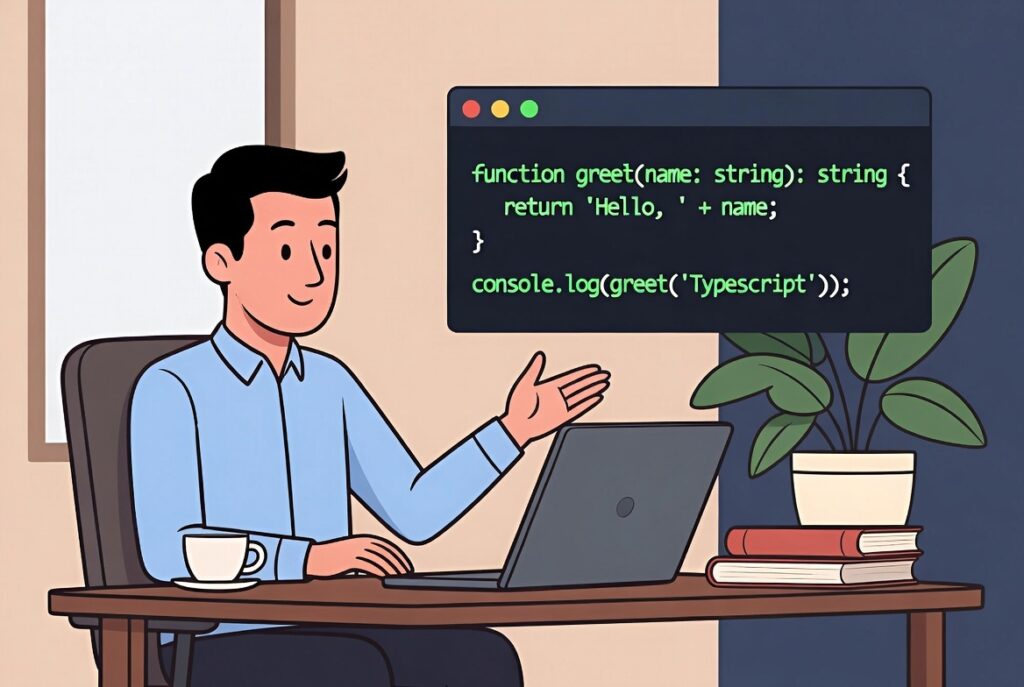
How to Learn TypeScript?
Start with Basics:
First, learn variables, types, and functions. Also, practice simple programs daily. Next, understand interfaces and objects. Additionally, follow beginner-friendly tutorials online. This builds a strong foundation for advanced topics.
Build Small Projects:
Start with small apps like to-do lists. Also, try interactive websites with TypeScript. Next, use frameworks like Angular or React. Additionally, practice debugging errors yourself. Projects make learning real and practical.
Explore Advanced Features:
Later, learn classes, generics, and modules. Also, connect projects with APIs and databases. Next, use TypeScript with modern libraries. Additionally, read code from experienced developers. This makes you confident and job-ready.