
Raspberry Pi Course Introduction
Learn Raspberry Pi Basics:
First, you learn what Raspberry Pi is. It is a small but powerful mini computer. Then, you understand its parts and ports. Next, you connect keyboard, mouse, and screen. Finally, you see how Raspberry Pi really works.
Hands-On Learning with Raspberry Pi:
After that, you start practical work. You run Raspberry Pi using simple commands. Then, you install the operating system easily. Also, you learn basic coding step by step. As a result, learning becomes fun and simple.
Build Real Projects with Raspberry Pi:
Now, you move towards real projects. You create small electronics and IoT projects. Moreover, you control lights, sensors, and motors. Then, you test and improve your projects. In the end, you gain real practical skills.
Why Learn Raspberry Pi?
High Demand Tech Skill:
Firstly, Raspberry Pi is a modern tech skill. It is used in IoT and automation projects. Also, many companies prefer practical skills. Moreover, Raspberry Pi fits electronics and coding both. So, it helps build a strong tech career.
Boosts Practical Knowledge:
Secondly, Raspberry Pi teaches real practice. You do work instead of only theory. Then, you learn how devices actually work. Also, you improve logic and problem solving. As a result, learning becomes more effective.
Perfect for Beginners:
Lastly, Raspberry Pi is beginner-friendly. You do not need deep technical knowledge. The learning process stays simple and fun. Also, you can learn at your own pace. Therefore, anyone can start easily.
How to Learn Raspberry Pi?
Start with Basic Setup:
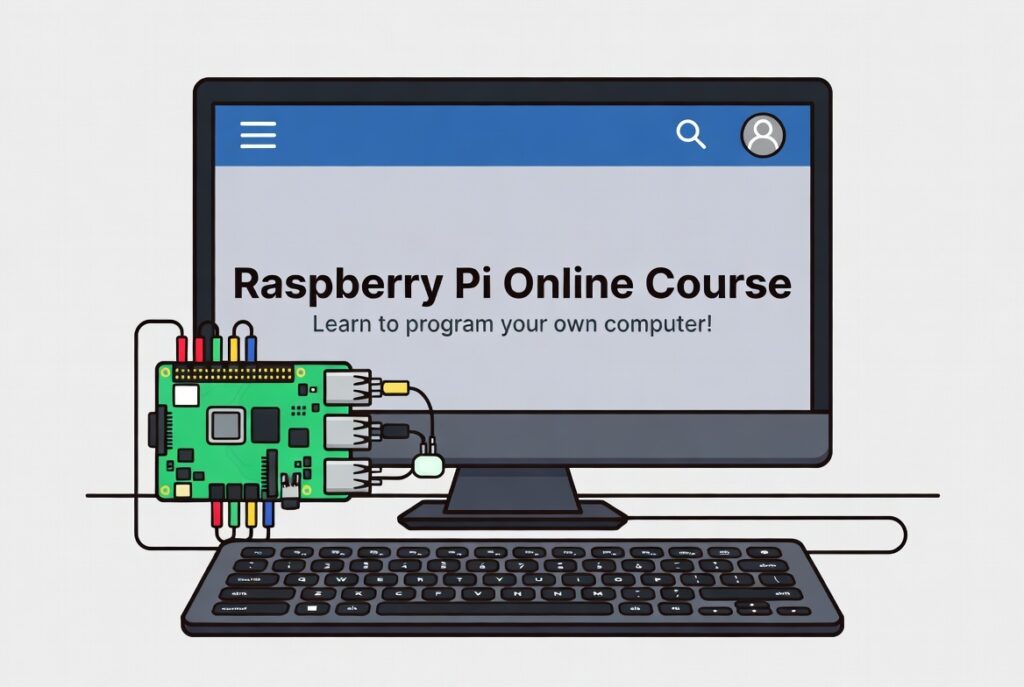
First, you learn Raspberry Pi setup. You connect power, screen, and keyboard. Then, you install the operating system. Also, you understand basic Raspberry Pi controls. So, you get ready for learning.
Learn Coding Step by Step:
Next, you start simple coding. You use Python for Raspberry Pi projects. Then, you write short and easy programs. Also, you test code on real hardware. As a result, coding feels easy.
Practice with Small Projects:
Finally, you build small projects. You control LEDs, sensors, and motors. Then, you improve projects with ideas. Also, you learn from mistakes. In the end, you gain confidence.