Introduction to a Python Programming Course
Why Python is Popular:
Python Programming is a simple and easy programming language. It uses clear words that are easy to read and write. Developers use it for websites, apps, and data analysis. Python is fast to learn and helps solve problems quickly. Many companies prefer Python for automation and AI projects.
What You Will Learn in Python:
You will learn how to write Python code from scratch. The course teaches variables, loops, and functions. You will practice creating small programs and projects. You also learn to work with data, files, and simple databases. By the end, you can build your own Python applications.
Why Learn Python Today?
Python has high demand in tech jobs worldwide. It helps with careers in web, data science, and AI. Freelancing and online projects are easy with Python skills. It improves problem-solving and logical thinking. Learning Python now gives fast career growth and opportunities.
Why Learn Python?
High Demand Jobs:
Firstly, Python skills are in demand worldwide. Companies hire developers for web, AI, and data projects. Also, It gives good salary and growth opportunities. So, Freelancers can earn by creating Python projects. Learning Python opens multiple career paths fast.
Easy and Fun to Learn:
Python uses simple words and clear code. So, Beginners can start coding quickly without confusion. You see results instantly when running programs. Also, It makes learning programming fun and motivating. Moreover, You can focus on building projects instead of complex syntax.
Powerful for Real-World Projects:
Firstly, Python can handle websites, apps, and automation. Also, It is used in data science, AI, and machine learning. So, You can automate boring tasks and save time. Many tools and libraries make coding easier. Moreover, Python helps turn your ideas into real applications.
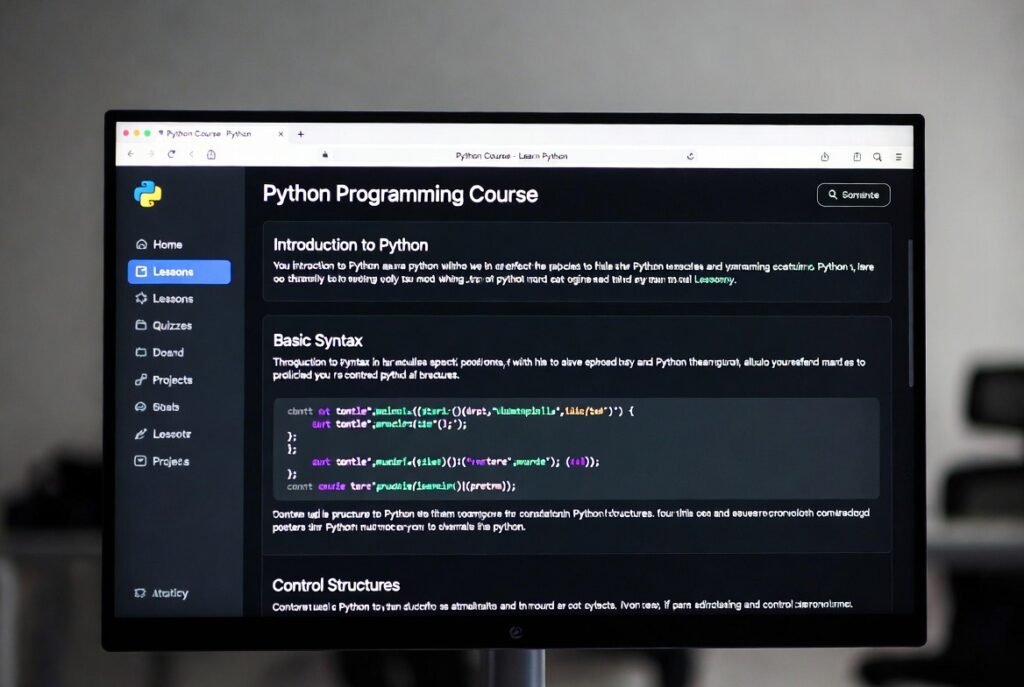
How to Learn Python?
Start with Basics:
First of all, Learn variables, loops, and simple functions. Understand how Python reads and executes code. So, Practice small programs every day. Strong basics help you learn advanced topics quickly. Furthermore, Use free tutorials and beginner-friendly courses online.
Practice with Projects:
Create small projects like calculators, games, or websites. Also, Projects help understand coding in real situations. Use online platforms to test and share your code. Also, Try solving simple problems with Python daily. Practical learning makes concepts stick faster.
Explore Advanced Tools:
Firstly, Learn libraries like NumPy, Pandas, and Matplotlib. Also, Use frameworks like Django or Flask for web apps. Practice working with databases and APIs. Version control with Git helps manage projects efficiently. However, Advanced tools make your Python skills professional and in demand.